


 第三方检测机构



















咨询热线:4006250567
投诉举报:010-82491398
企业邮箱:010@yjsyi.com
单位地址:北京市丰台区航丰路8号院1号楼1层121
检测信息(部分)
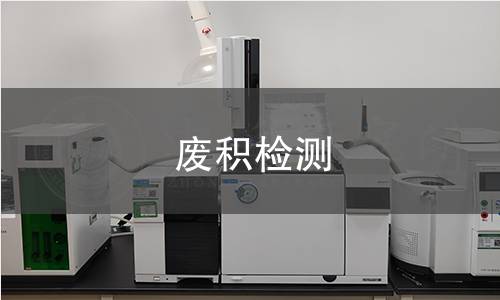
废积是指工业生产过程中产生的废弃物堆积物,包括各类工业废渣、尾矿、冶炼渣、化工废渣等固体废弃物的统称。这类物质通常产生于矿山开采、金属冶炼、化工生产、能源燃烧等工业活动过程中,具有成分复杂、来源广泛、潜在环境风险较高等特点。废积的成分组成与生产工艺、原料来源密切相关,可能含有重金属、有毒有害物质及放射性元素等。
废积检测服务主要应用于工业企业的环境合规评估、固废资源化利用前的成分分析、环保监管部门的执法检测、场地污染风险评估、废物处置方案制定等场景。检测结果可为废积物的分类管理、安全处置、资源回收利用提供数据支撑,帮助企业满足环保法规要求,降低环境风险。
废积检测概要涵盖物理性质分析、化学成分测定、有害物质筛查、浸出毒性评估、热值测定等多个维度。检测流程包括样品采集与制备、前处理、仪器分析、数据处理与报告编制等环节。检测依据相关国家标准和行业规范执行,确保检测结果的准确性和可靠性。
检测项目(部分)
- 含水率:反映废积物中水分含量,影响储存运输及后续处理工艺选择
- 灰分:测定样品灼烧后残留的无机物含量,评估废物热值及灰渣产生量
- 挥发分:表征样品受热分解释放的气体物质含量,与热值及燃烧特性相关
- 固定碳:测定样品中碳元素含量,评估燃料价值及燃烧效率
- 热值:测定单位质量样品燃烧释放的热量,用于能源化利用评估
- 硫含量:测定样品中硫元素含量,评估燃烧过程中二氧化硫排放风险
- 氯含量:测定样品中氯元素含量,评估燃烧过程中氯化氢及二噁英生成风险
- 氟含量:测定样品中氟元素含量,评估燃烧过程中氟化物排放风险
- 热灼减率:测定样品高温灼烧后的质量损失率,评估有机物含量及热稳定性
- pH值:测定样品酸碱度,评估腐蚀性及对环境的影响
- 浸出毒性:模拟自然条件下有害物质的浸出特性,评估环境风险
- 腐蚀性:测定样品对金属材料的腐蚀能力,评估储存运输安全性
- 易燃性:评估样品在特定条件下是否易于燃烧,用于危险特性鉴别
- 反应性:评估样品是否具有爆炸、剧烈反应等危险特性
- 重金属总量:测定样品中铅、镉、铬、汞等重金属元素的总含量
- 砷含量:测定样品中砷元素含量,评估有毒有害元素污染风险
- 汞含量:测定样品中汞元素含量,评估易挥发重金属污染风险
- 镉含量:测定样品中镉元素含量,评估生物累积性重金属污染风险
- 铅含量:测定样品中铅元素含量,评估重金属污染及迁移风险
- 总铬含量:测定样品中铬元素总量,评估重金属污染风险
- 六价铬含量:测定样品中六价铬含量,评估高毒性重金属形态
- 铜含量:测定样品中铜元素含量,评估重金属累积情况
- 锌含量:测定样品中锌元素含量,评估重金属含量水平
- 镍含量:测定样品中镍元素含量,评估重金属污染状况
检测范围(部分)
- 工业废渣
- 煤矸石
- 粉煤灰
- 炉渣
- 钢渣
- 高炉渣
- 转炉渣
- 电炉渣
- 有色金属冶炼渣
- 铜渣
- 铅锌渣
- 镍渣
- 铝渣
- 镁渣
- 锰渣
- 铬渣
- 汞渣
- 砷渣
- 镉渣
- 赤泥
- 尾矿
- 磷石膏
- 脱硫石膏
- 钛石膏
- 化工废渣
- 电石渣
- 磷渣
检测标准(部分)
| 序号 | 标准号 | 标准名称 | 类别 | 发布日期 | CCS分类 | ICS分类 |
|---|---|---|---|---|---|---|
| 1 | T/CNIA 0196-2023 | 废铅膏制备精铅(选择性浸出和旋转电积工艺)污染控制技术规范 | (CN-TUANTI)团体标准 | 2023-03-06 | 77.120.60铅、锌、锡及其合金 | |
| 2 | T/GRM 095-2024 | 磷石膏基全固废充填材料配比设计与检测技术规范 | (CN-TUANTI)团体标准 | 2024-12-20 | 13.020.01环境和环境保护综合 | |
| 3 | DIN 38414-13:1992-03 | German standard methods for the examination of water, waste water and sludge; sludge and sediments (group S); detection of salmonellae in disinfected sewage sludge (S 13) | (DE-DIN)德国标准化学会 | 1992-03-01 | ||
| 4 | DIN 38414-23:2002-02 | German standard methods for the examination of water, waste water and sludge - Sludge and sediments (group S) - Determination of 15 polycyclic aromatic hydrocarbons by high performance liquid chromatography (HPLC) using fluorescence detection (S 23) | (DE-DIN)德国标准化学会 | 2002-02-01 | ||
| 5 | DIN 38414-19:1999-12 | German standard methods for the examination of water, waste water and sludge - Sludge and sediments (group S) - Part 19: Determination of the steam-volatile organic acids (S 19) | (DE-DIN)德国标准化学会 | 1999-12-01 | ||
| 6 | DIN 38414-6:1986-04 | German standard methods for the examination of water, waste water and sludge; sludge and sediments (group S); determination of oxygen consumption rate (S 6) | (DE-DIN)德国标准化学会 | 1986-04-01 | ||
| 7 | DIN 38414-9:1986-09 | German standard methods for the examination of water, waste water and sludge; sludge and sediments (group S); determination of the chemical oxygen demand (COD) (S 9) | (DE-DIN)德国标准化学会 | 1986-09-01 | ||
| 8 | DIN 38414-8:1985-06 | German standard methods for the examination of water, waste water and sludge; sludge and sediments (group S); determination of the amenability to anaerobic digestion (S 8) | (DE-DIN)德国标准化学会 | 1985-06-01 | ||
| 9 | DIN 38414-12:1986-11 | German standard methods for the examination of water, waste water and sludge; sludge and sediments (group S); determination of phosphorus in sludges and sediments (S 12) | (DE-DIN)德国标准化学会 | 1986-11-01 | ||
| 10 | DIN 38414-21:1996-02 | German standard methods for the examination of water, waste water and sludge - Sludge and sediments (group S) - Determination of six selected polycyclic aromatic hydrocarbons by high performance liquid chromatography (HPLC) using fluorescence detection (S 21) | (DE-DIN)德国标准化学会 | 1996-02-01 | ||
| 11 | DIN 38414-15:1990-06 | German standard methods for the examination of water, waste water and sludge; sludge and sediments (group S); determination of the specific residual beta activity in sludge, sediment and suspended matter (S 15) | (DE-DIN)德国标准化学会 | 1990-06-01 | ||
| 12 | DIN 38414-18:1989-11 | German standard methods for the examination of water, waste water and sludge; sludge and sediments (group S); determination of adsorbed organically bound halogens (AOX) (S 18) | (DE-DIN)德国标准化学会 | 1989-11-01 | ||
| 13 | DIN 38414-20:1996-01 | German standard methods for the examination of water, waste water and sludge - Sludge and sediments (group S) - Determination of six selected polychlorinated biphenyls by gas chromatography (S 20) | (DE-DIN)德国标准化学会 | 1996-01-01 | ||
| 14 | DIN 38414-4:1984-10 | German standard methods for the examination of water, waste water and sludge; sludge and sediments (group S); determination of leachability by water (S 4) | (DE-DIN)德国标准化学会 | 1984-10-01 | ||
| 15 | DIN 38404-15:1987-09 | German standard methods for the examination of water, waste water and sludge; physical and physico-chemical parameters (group C); determination of beta activity per unit volume in drinking water, ground water, surface water and waste water (C 15) | (DE-DIN)德国标准化学会 | 1987-09-01 | ||
| 16 | DIN 38414-22:2000-09 | German standard methods for the examination of water, waste water and sludge - Sludge and sediments (group S) - Part 22: Freeze-drying of sludge and determination of freeze-drying residue (S 22) | (DE-DIN)德国标准化学会 | 2000-09-01 | ||
| 17 | DIN 38414-24:2000-10 | German standard methods for the examination of water, waste water and sludge - Sludge and sediments (group S) - Part 24: Determination of polychlorinated dibenzodioxins (PCDDs) and polychlorinated dibenzofuranes (PCDFs) (S 24) | (DE-DIN)德国标准化学会 | 2000-10-01 | ||
| 18 | DIN 38414-17:1989-11 | German standard methods for the examination of water, waste water and sludge; sludge and sediments (group S); determination of strippable and extractable organically bound halogens (S 17) | (DE-DIN)德国标准化学会 | 1989-11-01 | ||
| 19 | DIN 38414-2:1985-11 | German standard methods for the examination of water, waste water and sludge; sludge and sediments (group S); determination of water content, of dry residue and of solids content (S 2) | (DE-DIN)德国标准化学会 | 1985-11-01 | ||
| 20 | DIN 38414-2:1983-05 | German standard methods for the examination of water, waste water and sludge; Sludge and sediments (Group S); Determination of water content and of dry residue and solids content (S 2) | (DE-DIN)德国标准化学会 | 1983-05-01 |
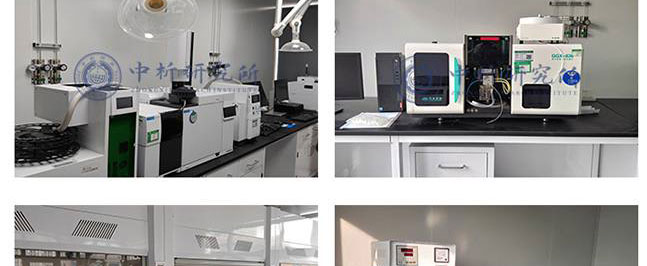
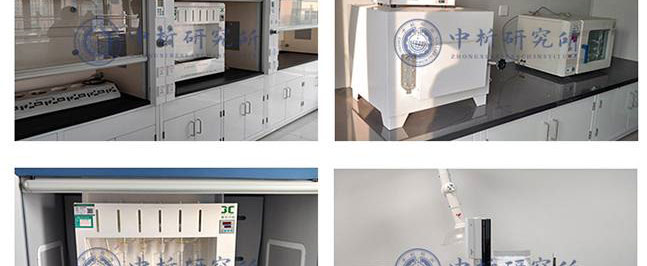
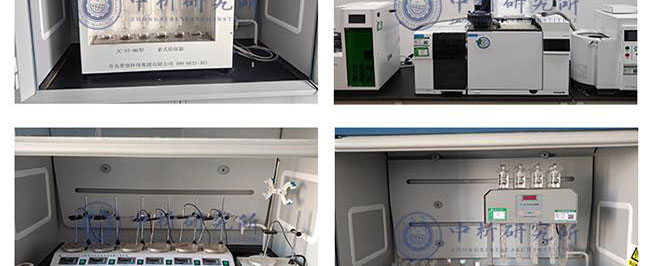
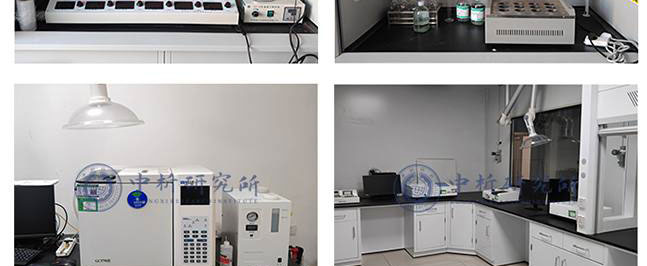
检测仪器(部分)
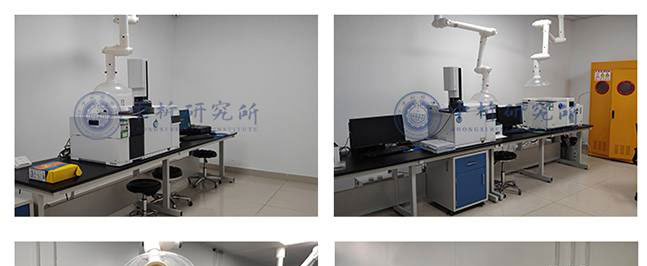
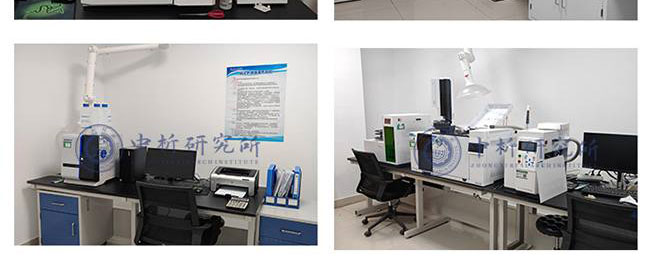
- 原子吸收光谱仪
- 电感耦合等离子体发射光谱仪
- 电感耦合等离子体质谱仪
- X射线荧光光谱仪
- 气相色谱仪
- 液相色谱仪
- 气相色谱质谱联用仪
- 离子色谱仪
- 红外光谱仪
- 紫外可见分光光度计
- 氧弹热量计
- 热重分析仪
- 差示扫描量热仪
- 马弗炉
- 干燥箱
检测方法(部分)
- 重量法:通过称量样品在特定条件下的质量变化测定目标组分含量
- 容量分析法:通过滴定反应测定样品中特定成分的含量
- 原子吸收光谱法:利用原子对特征辐射的吸收测定元素含量
- 电感耦合等离子体发射光谱法:利用等离子体激发元素发射特征光谱进行定量分析
- X射线荧光光谱法:利用X射线激发样品产生特征荧光进行元素分析
- 气相色谱法:利用样品各组分在流动相和固定相间分配差异实现分离检测
- 离子色谱法:用于测定样品中阴离子和阳离子的含量
- 分光光度法:利用物质对特定波长光的吸收特性进行定量分析
- 氧弹量热法:在密闭容器中燃烧样品测定热值
- 浸出毒性试验:采用特定浸提剂模拟有害物质的浸出过程
- 灼烧法:通过高温灼烧测定样品中挥发性物质和灰分含量
- 蒸馏法:通过蒸馏分离测定样品中挥发性组分
总结
废积检测是工业废弃物管理和环境保护工作的重要组成部分。通过系统的检测分析,可以全面了解废积物的物理化学特性、有害物质含量及环境风险水平,为废物的分类贮存、安全处置、资源化利用提供科学依据。检测结果有助于企业制定合理的废物管理方案,降低环境污染风险,满足环保监管要求。
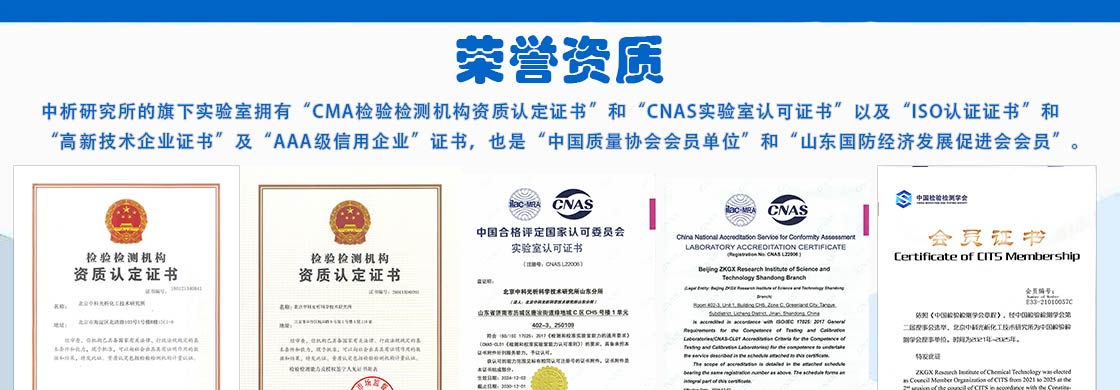
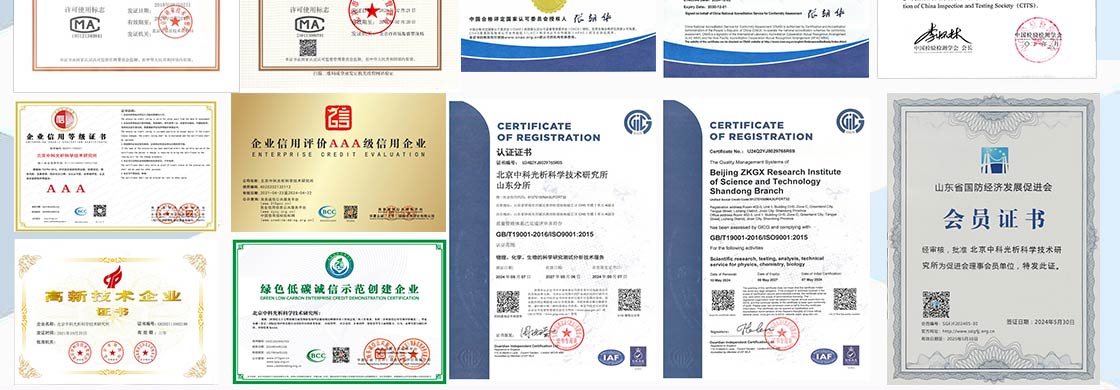
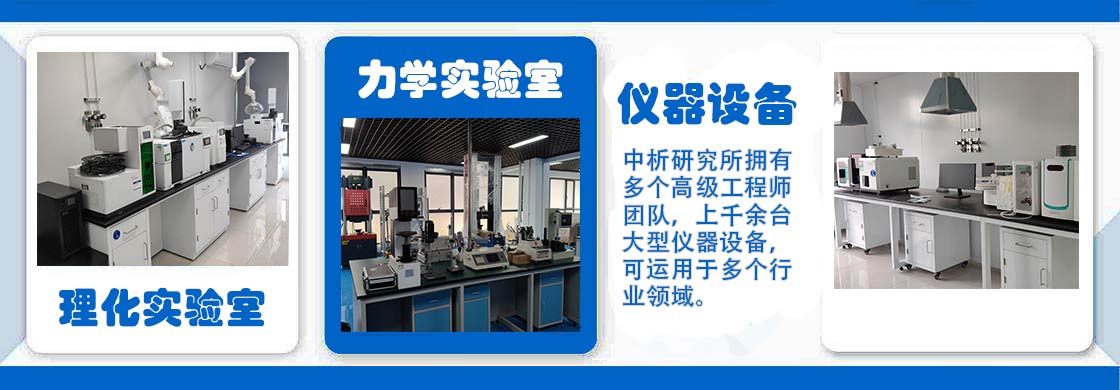
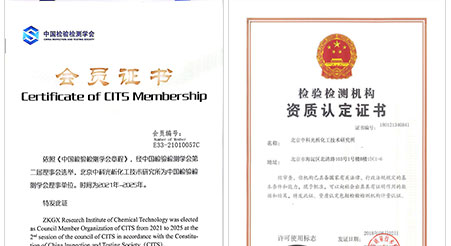
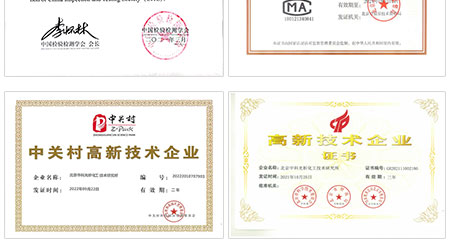
第三方检测机构在废积检测服务中具备完善的检测能力、规范的操作流程和质量管理体系,能够为客户提供客观、准确的检测数据。检测机构依据国家标准和行业规范开展检测工作,确保检测过程的规范性和检测结果的可靠性,助力企业实现废积物的规范化管理和资源化利用目标。
结语
以上是关于废积检测的介绍,如有其它问题请 联系在线工程师 。
 备案号:
备案号: